Weekly DevOps career tips and technical deep dives. My mission is to help you land your next DevOps, Platform Engineering or SRE role, even if you are brand new. I went from nurse to DevOps and I can help you do the same.
A Sushi Chef Taught Me More About DevOps Than Any Course Ever Did
|
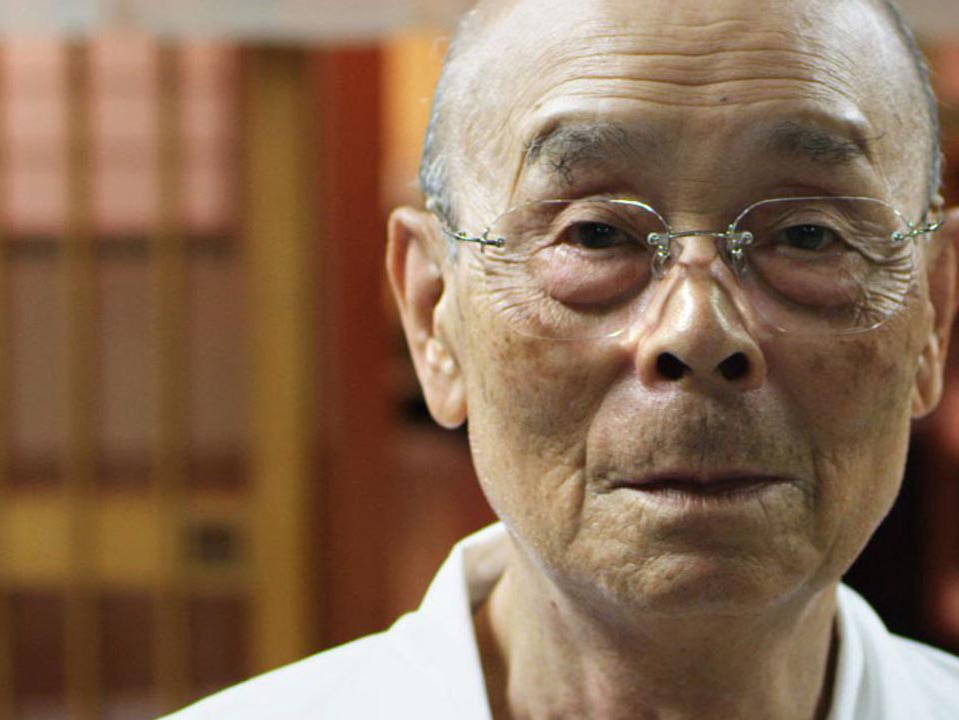
Hey Reader, The best lesson I ever learned about DevOps didn’t come from a course. It didn’t come from a certification. It didn’t come from a senior engineer. It came from a 100-year-old sushi chef working out of a subway station in Tokyo. His name is Jiro Ono. His tiny 10-seat restaurant held 3 Michelin stars for 12 years. He started his apprenticeship at age 7. He’s been making sushi for over 70 years. He turned 100 last October and he’s still not retired. When asked the secret to his health, he said: “To work. I believe the best medicine is to work.” What this man taught me completely changed how I approach my career, my tools, and my life. And it’s the reason I went from nurse to six-figure DevOps engineer running my own business from a camper van in Europe.
You Are Watching the Menu, Not Cooking the Food Most people in tech are doing the exact opposite of what Jiro teaches. They watch tutorials. Hundreds of hours of them. They collect certifications. AWS, Azure, CKA. Checking boxes. They study the menu but they never step into the kitchen. And after all of that, they still can’t get a job. Because they never actually built anything. They consumed. They didn’t create. They know what Kubernetes is, but they’ve never broken a cluster at midnight and had to fix it. They know what a CI/CD pipeline looks like, but they’ve never debugged one under pressure. In Japanese culture, there is a word for this: shokunin. It doesn’t translate directly into English. The closest we get is “craftsman” or “artisan,” but it means much more than that. A shokunin is someone who has devoted their entire life to mastering a single craft. The way they achieve mastery is deceptively simple. They do the same thing over and over again, trying to improve with every single repetition. They optimize for depth over novelty. Jiro says: once you decide on your occupation, you must immerse yourself in your work. You have to fall in love with it. Never complain about your job. Dedicate your life to mastering your skill. Here’s the part most people miss: Jiro isn’t grinding himself into the ground. He’s not miserable. He says he feels ecstatic all day, making sushi is pure joy for him. This isn’t suffering. This is what happens when you go deep enough into something to fall in love with the process itself. It Took Me 32 Years to Find My Craft I was a nurse, and I was decent at it, but it wasn’t mine. At night, after shifts, I was tinkering with computers: setting up Linux servers, running automation, building things nobody asked me to build. The thing I do when nobody’s paying me. That’s the signal. I made the decision to go all in on DevOps. And once I made that decision, I adopted the shokunin mindset. I stopped dabbling. I committed. I’ll be honest: sticking to one thing doesn’t come naturally to me. I get obsessed with something for three months, then something new catches my eye. So here’s what I did. I gave myself a large playground with a fence around it. DevOps is the playground. It has Linux, networking, containers, Kubernetes, Python, cloud, CI/CD. Endless things to explore. The fence isn’t locked. But I do my best to stay inside it. When I get the urge to pick up some random hobby, I ask myself: would those hours be better spent inside the fence? The answer is almost always yes. This is how you channel your natural curiosity without scattering your energy. You’re not limiting yourself. You’re focusing yourself. 5 years ago I was barely making $50K as a nurse. Now I’m a Senior DevOps Engineer, a Microsoft MVP, and I’ve helped 1000+ people land six-figure tech careers. All because I chose one craft and went deep. Why Aren’t You Sharpening Your Axe? Jiro has a very specific relationship with his tools. And this is something I think about constantly. Think about old-time loggers. These guys spent hours filing their axes and rubbing them on stones before they ever touched a tree. Most people who spend 10 to 12 hours a day on a computer never stop to consider getting better at using that tool. They’ve been using a computer every day for 20 years. And they’ve never once thought about sharpening it. In DevOps, our tools are not hammers and saws. They’re the command line. Our text editors. Our shell environments. And most people skip right past them. They want to learn Kubernetes but they can’t navigate a terminal. They want to deploy to the cloud but they’ve never written a bash script. Every senior mentor I respect, every top 1% engineer I’ve worked with, they all converge on the same workflow. Terminal. Vim. Command line. That is not a coincidence. That’s what mastery looks like in this field. Because when anything breaks in production, you will be in a Linux shell. No fancy IDE. No beautiful desktop. Just you, a terminal, and Vim. That’s when it matters whether you sharpened the axe or not. Mastery Is Maintenance, Not a Destination I have to be honest with you because I’ve failed at this myself. I did a live stream recently on my Raspberry Pi. Plain Vim. No plugins, nothing fancy. And I realized I couldn’t remember how to open a second file from inside Vim. I’ve been using NeoVim with all these fancy plugins for over two years. File trees, fuzzy search, auto-complete. All these conveniences. Because I stopped practicing the basics, those skills atrophied. Like a muscle you stop using. I was embarrassed. On a live stream. In front of 120 people. But it proved the exact point. If you don’t keep doing the reps, you lose it. No matter how good you were. Jiro is 100 and he still shows up. Not because he’s forgotten how. Because he knows that mastery isn’t a destination. He says: I do the same thing over and over, improving bit by bit. There is always a yearning to achieve more. I’ll continue to climb, trying to reach the top. But no one knows where the top is. You are never done. There will never be a point where you lean back and say you’ve learned enough. That’s liberating. Because it takes the pressure off. You don’t need to know everything today. You just need to be better than you were yesterday. The Sovereign Craftsman When I created KubeCraft, I wanted it to carry this entire idea. Kube for the toolset. Craft for craftsmanship. How you wield the tools. Technology alone is not enough. The tools are powerful, but what matters is how you wield them. Many people rush through technologies, chasing certifications and buzzwords. But they remain passengers on the ship. They never take the wheel. Sovereignty means self-governing. Having control over your own life. A craftsman who masters his tools and his domain earns something most people never get: the freedom to steer his own course. That’s what took me from being a nurse to a six-figure DevOps career. To running my own business. To working from my van wherever I want. Every level of that, the technical skill, the remote work, the entrepreneurship, it all started with choosing a craft, going deep, and refusing to stay on the surface. So if you’re stuck right now. Scattered across ten different technologies. Watching tutorials but building nothing. Wondering why nothing is clicking. This is why. Pick your craft. Go deep. Sharpen your tools. Build real things. And never stop improving. That’s the spirit of the shokunin. That’s the spirit of KubeCraft. If you want to know how I apply this mindset to help people land DevOps roles, CLICK HERE. Honor thy craft, Mischa P.S. I wasted a year trying to learn Kubernetes alone, the hard way. My students learn it in weeks because I built a system around the craftsman mindset. CLICK HERE if you want that six-figure remote DevOps career.
|
The KubeCraft Newsletter
Weekly DevOps career tips and technical deep dives. My mission is to help you land your next DevOps, Platform Engineering or SRE role, even if you are brand new. I went from nurse to DevOps and I can help you do the same.